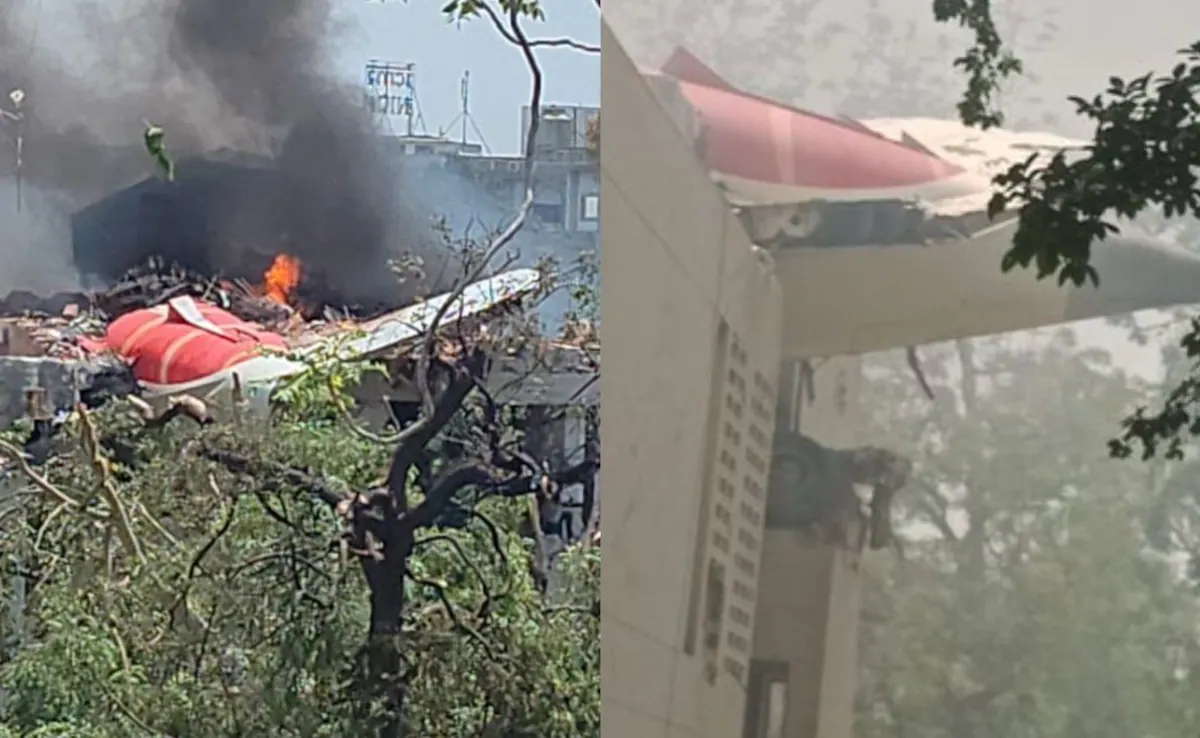


In Leh’s frozen atmosphere, where mountains had once sung in serenity, fire now bellows with fury. On September 24, 2025, a non-violent protest for Ladakh’s future became fatal. Four dead, more than 80 injured, and a police van set ablaze as clashes broke out. Climate activist Sonam Wangchuk, having fasted for weeks, stopped his campaign amidst the bloodshed, appealing for peace but promising to continue his struggle. As soldiers pour in and curfews are withdrawn, Ladakh’s young people urge Delhi to heed their call for statehood. This is not a momentary flash—this is an ember smouldering from shattered promises.
Desert Whispers: Ladakh Latest News Unfolds
By September 25, Leh walks a tightrope. Officials assert calm, withdrawing curfews in some areas, but hospitals are full of the injured, and there is an atmosphere of mourning. Young demonstrators, most in their early 20s, fluttered “Statehood Now!” signs before stones flew and tear gas choked the air. The Union Home Ministry blames “provocative” leaders, while locals point to Delhi’s neglect. Social media hums with clips of burning barricades, and opposition voices in Jammu and Kashmir demand talks.
Rally in the Rocks: Ladakh Protest Grows Fierce
Leh’s streets, once vibrant with prayer flags, became a battlefield. Thousands blocked roads, chanting for autonomy, but when police pushed back, fury flared. Arson lit the night, shops shattered, and cries for justice echoed off monastery walls. “We’ve marched since 2021,” a tear-gassed youth said. Delhi’s answer? More forces, no dialogue. What began as a plea for this fragile land’s future now scars it with sorrow?
Thunder over the Passes: Leh Ladakh Protest Breaks Out
Leh, Ladakh’s heart, was battered by the storm. Protesters poured into key locations, calling for an end to “outsider rule.” Police allege self-defence, but videos reveal crowds charging like a Himalayan storm. From markets to government offices, the revolt spread. Women, men, and elders—all participated, their will unbreakable. It isn’t anger alone; it’s a resistance against diminishing freedoms ever since 2019’s seismic event muffled Ladakh’s voice.

Sage of the Snows: Sonam Wangchuk Takes Charge
Sonam Wangchuk, engineer and environmental crusader, is Ladakh’s beacon. Famous for ice stupas that trap precious water, he went on hunger strike from September 10, drinking herbal tea to raise the issue. “Our land, our rules,” he appealed, attracting international attention. Violence compelled him to suspend, broken-hearted. “Blood can’t taint our cause,” he informed journalists, voice firm. Wangchuk is still a beacon, fusing science and spirit in a battle for justice.
Whispers from the Engineer: Sonam Wangchuk Ladakh’s Voice
Wangchuk’s words pierce Ladakh’s silence. He connects thawing glaciers with political shackles, cautioning, “Without power, our rivers dry.” Youth regard him as a new-age sage; Delhi labels him a troublemaker. His hunger fast mobilised thousands, and although suspended, he threatens more action. For locals, he is the spark that will not go out, agitating for a future where Ladakh dictates its own destiny.
LehLadakh Protest Reason Revealed: Cracks in the Crown
Why this blaze? Since 2019, when Article 370 abdicated, Ladakh has been a union territory sans assembly. Vows of protection disappeared, breeding dread of land seizures, job displacement, and loss of culture. Locals want Sixth Schedule status—tribal assemblies to safeguard land and identity. Statehood equals actual power, not Delhi’s remote benediction. “Our fathers herded yaks; we herd protests,” said a youth, encapsulating the struggle of a generation.
Fault Lines in the Frost: Leh Ladakh Rules Fall Short
June 2025 saw new rules: 85% local employment, domicile benefits, and waves to women and languages. But protesters accuse them of being empty. “Bandages on a broken bone,” scoffed an elder. Land laws continue to permit outsider buying, endangering grazing rights. Without Sixth Schedule influence, rules seem lightweight against corporate waves, compelling locals to defend their last stand.
Shadows on the Summit: Leh Ladakh Health Issues Stoke Struggle
Ladakh’s health emergency adds fuel. Warming winds reduce glaciers, drying up streams and surging waterborne diseases such as diarrhoea. Tourists contaminate, dust storms suffocate children, and unpredictable cold snaps weaken the elderly. Wangchuk makes the connections: “Climate unchecked breaks bodies.” This struggle isn’t simply about power—it’s about clean tomorrows in a stretched-thin land. As the night descends, Leh’s fires flicker but remain. Ladakh’s rebellion, conceived in hope, now bled for it. Will Delhi heed before the next spark catches fire?
FAQs
Who is Sonam Wangchuk of Ladakh?
Sonam Wangchuk is a Ladakhi inventor, environmentalist, educational reformer, and engineer, famously known for the founding of Students’ Educational and Cultural Movement of Ladakh (SECMOL) and for inventing the Ice Stupa artificial glacier to counter water scarcity in the Himalayas.
What had happened to LehLadakh?
The infamous day was on the 24th of September 2025, when conversions between protests for statehood and Sixth Schedule protection in Leh, Ladakh, turned violent; there were four deaths, 60 injuries, and vandalism of a police vehicle and a BJP office. The activist, Sonam Wangchuk, had recently ended his 15-day hunger strike alongside the confrontations, asking for restraint and peace, whereas the authorities declared a curfew and accused him of incendiary remarks regarding the escalation of violence.
Is going to Leh Ladakh safe now?
Yes, travelling to Leh Ladakh is largely considered safe; however, it is advised to keep an eye on the information about any civilian protests.
Is LehLadakh some kind of state?
Ladakh is a Union Territory of India, carved out on October 31st, 2019, from the state of Jammu and Kashmir; it is not a state.
Why is Ladakh famous for?
Ladakh is famous for its dramatic Himalayan landscapes, including snow-capped peaks, arid deserts, and vibrant blue lakes like Pangong Tso, as well as its Tibetan Buddhist culture with ancient monasteries and festivals.
How do I travel to Ladakh?
There are two ways to reach Ladakh and its capital city Leh: by road via Manali (Himachal Pradesh) or Srinagar (Kashmir), and by air with a flight to Kushok Bakula Rimpochee airport located just 4 km from Leh city centre.