
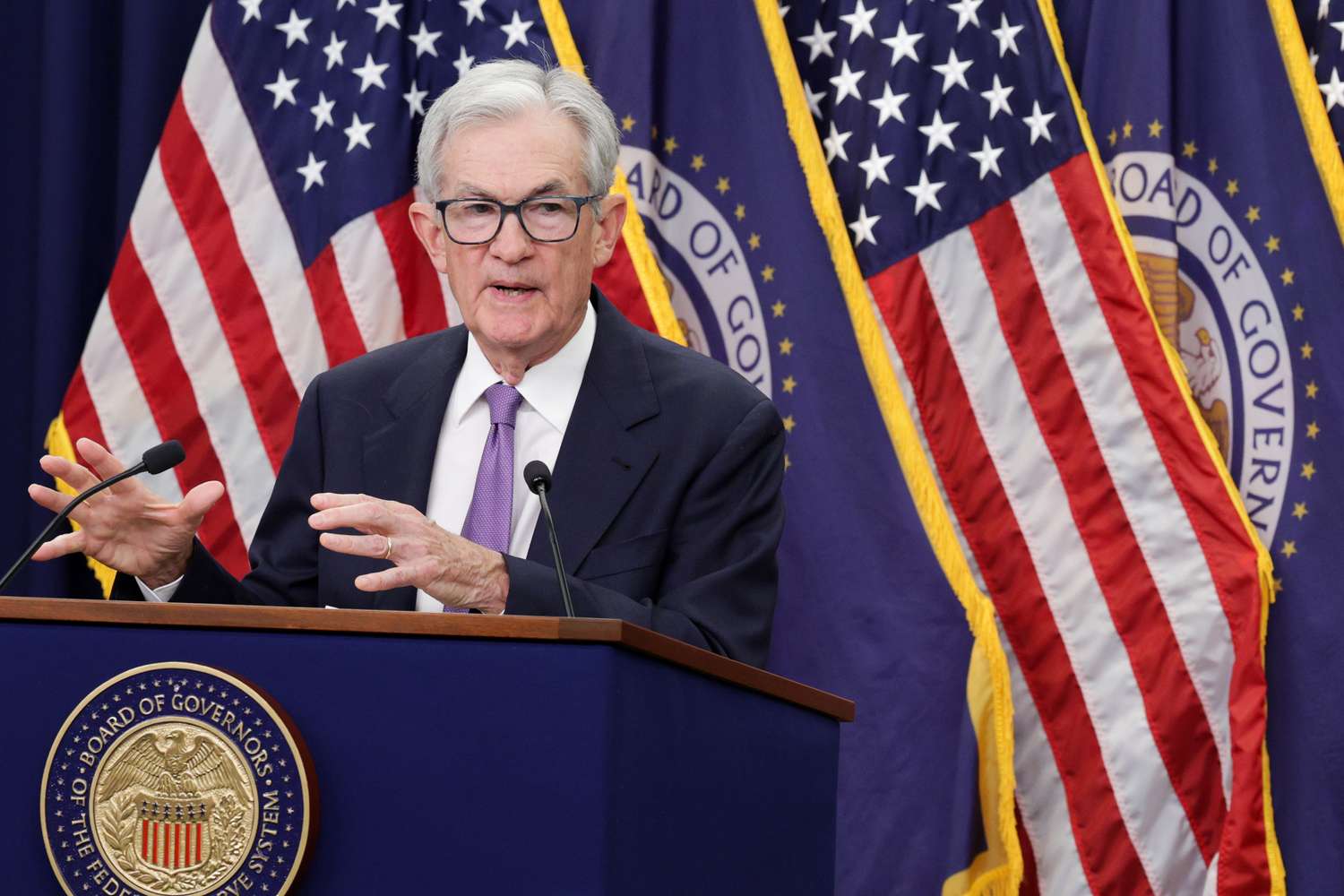
The US Federal Reserve has cut interest rates by 25 basis points, reducing its benchmark federal funds rate to a target between 3.75% and 4.00%. This, the central bank’s second straight cut, follows as policymakers try to protect the economy from a weakening labour market and navigate a confusing terrain shrouded in an unprecedented official data gap caused by the ongoing government shutdown.
Federal Reserve News: Interest Rate Reduction Alters Policy Emphasis
The Federal Open Market Committee (FOMC) decision, which was widely expected by markets and announced on Wednesday, October 29, 2025, indicates a significant change in the Fed’s emphasis on supporting growth and employment, despite inflation being relatively high. For months, the US central bank has struggled with its two mandates, price stability and maximum employment, while threats to the labour market now seem to outweigh lingering inflation issues. Hiring gains have slowed this year, and though the unemployment rate held low through August, recent large-scale layoffs at big companies have increased spectres of a general slowdown.
Interest Rate Cut by the US Federal Reserve: The ‘Data Blackout’ Dilemma
One of the decisive factors making the Fed’s decision more complicated was the near-total shutdown of official economic reports, including the important monthly jobs and consumer spending data, caused by the extended government shutdown. This ‘data blackout’ pushed policymakers to use limited and less detailed private-sector data and delayed releases. Fed Chair Jerome Powell recognised the difficulty, stating that while the central bank had some alternative indicators at its disposal, the lack of thorough government reports made well-informed policy-making particularly challenging. Nevertheless, the Fed acted to lower rates, acting pre-emptively to curb negative risks to the labour market.
Federal Reserve Interest Rate Cut Bets: The Market’s Reaction
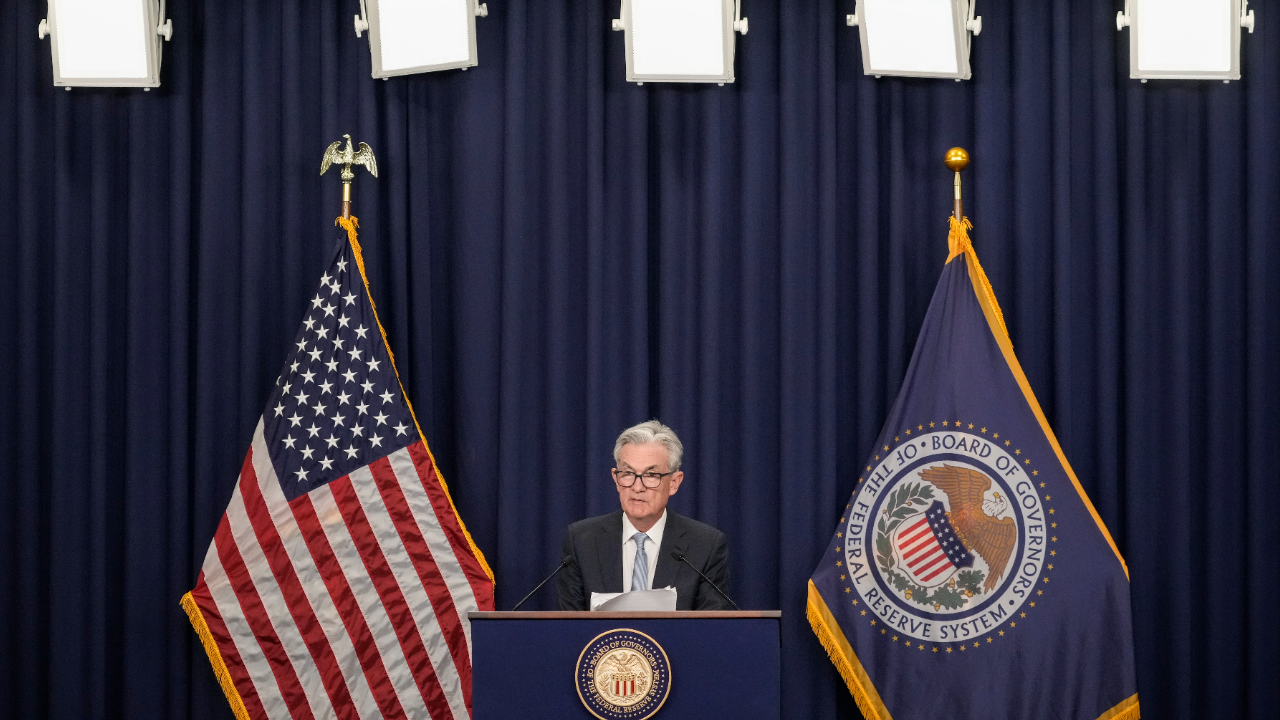
Before the announcement, markets had almost fully discounted a quarter-point cut, and the reaction was therefore relatively subdued initially. US stock indices experienced a mixed close after the announcement and Chair Powell’s ensuing press conference. The greater movement, however, came in federal reserve interest rate cut expectations for the last meeting of the year. Powell’s conservative demeanour, which highlighted the committee’s split views and reliance on future, not yet out, data, cooled expectations for an instant further cut.
Federal Reserve Interest Rate Cut 2025 Projections: What’s Next?
Federal Reserve interest rate cut 2025 projections by large brokerages and analysts now differ considerably for the next December meeting. While the majority of large companies had predicted another 25 basis point cut by the end of the year, Powell reported that another cut is “not a foregone conclusion.” This guidance reflects the extreme uncertainty over the economy and policy divide. The Fed will be closely monitoring the changing economic outlook, specifically the labour market and inflationary patterns, as official data releases resume after the shutdown. The path of future rate changes, and whether this is the beginning of a long cycle of easing or only a mid-cycle shift, still hinges fundamentally on whether the slowing of hiring proves transitory and how rapidly inflation converges toward the Fed’s 2% goal.
Interest Rates Reduced by Fed Reserve Today: Impact on Consumers
For the typical American, the year’s second rate cut may ultimately mean somewhat lower borrowing expenses in the long run for some loans, including home equity lines of credit (HELOCs) and variable-rate personal loans. But its effect on the major consumer rates, such as mortgages and car loans, has been limited up to now because they tend to be pegged to longer-term Treasury yields and competitive market conditions. On the other hand, returns on savings accounts and Certificates of Deposit (CDs) can also fall further as banks adapt to the lower benchmark rate
FAQs
What did the Federal Reserve cut interest rates to?
The Federal Reserve cut interest rates by lowering its benchmark lending rate to a range between 3.75% and 4%, the lowest in three years.
What happens when the US Fed cuts interest rates?
If the US Fed cuts interest rates, it could bring financial relief to consumers and businesses in the form of lower borrowing costs.
Is the Fed going to cut interest rates?
The Fed cut interest rates by 25 basis points at its most recent meeting on Wednesday, October 29, 2025, bringing the target range to .75% and 4%.
Is it good if the feds cut rates?
Whether the Fed’s cutting rates is “good” depends on your role: it lowers borrowing costs for those taking out loans but reduces interest earned by savers. Generally, the goal is to stimulate economic growth and hiring while trying to manage the risk of increased inflation.
What is the safest currency during a recession?
The safest currencies during a recession are often the US dollar, Japanese yen, and Swiss franc due to their stability and role as safe havens for investors. Other currencies, including the Norwegian krone and Singapore dollar, are sometimes mentioned, but can be more volatile or less stable.