
Trump Tariffs 2025: In a dramatic gamble that’s remaking global commerce, President Donald Trump has unleashed wide-ranging tariffs in 2025. These are designed to preserve American jobs and mend trade deficits, but they’re igniting controversies over rising prices and international tensions. Through late August, tariffs were being imposed on imports from scores of countries, with rates reaching as much as 50% in some instances.
Trump Tariffs 2025 Announcement Date
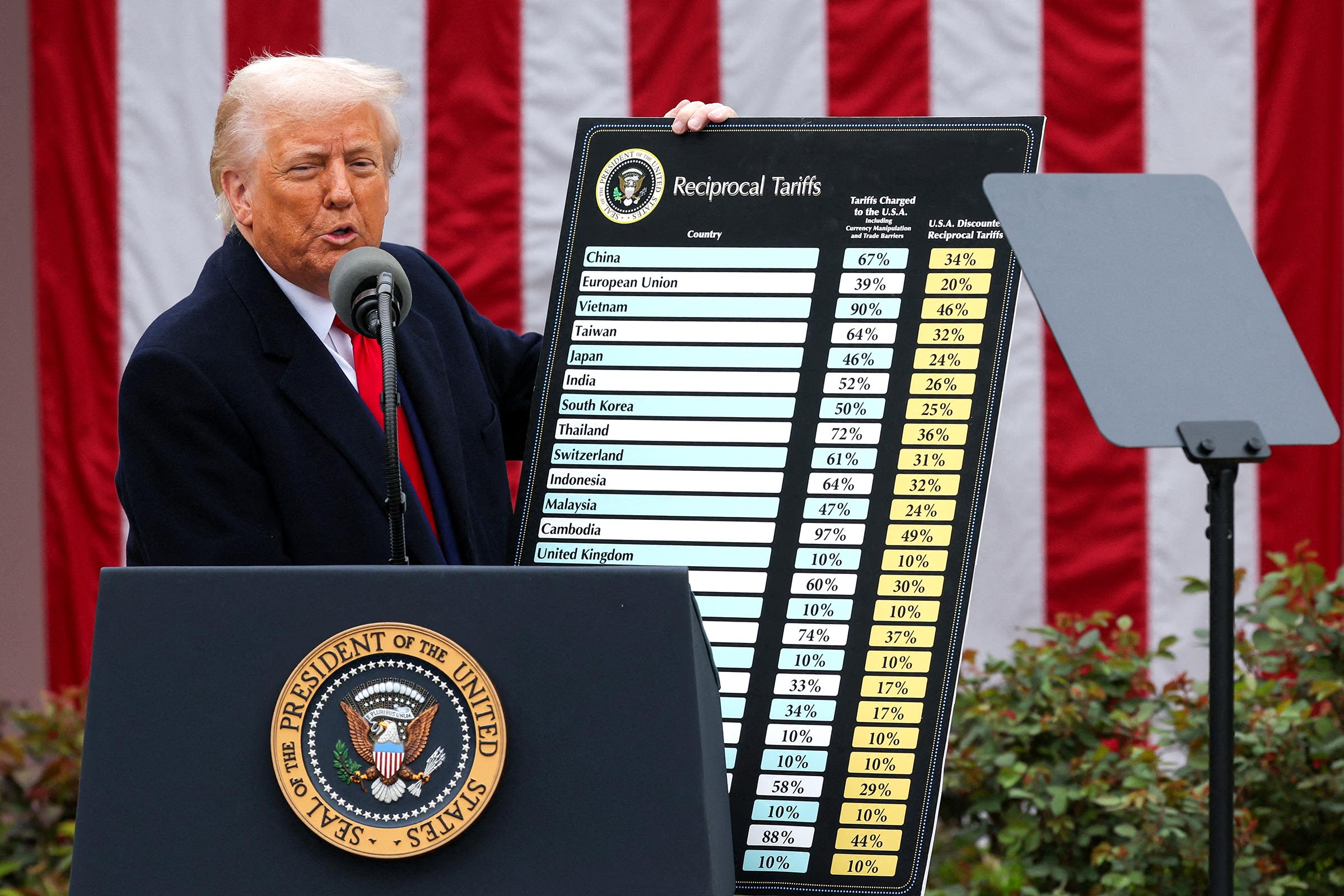
The grand unveiling was on April 2, 2025, which Trump called “Liberation Day.” He invoked a national emergency under the International Emergency Economic Powers Act (IEEPA) to impose a 10% tariff on all imports beginning April 5. Higher tariffs on nations with large trade deficits went into effect on April 9. This provided the stage for months of tweaks and ratchets.
Trump Tariffs Timeline
The launch has been a rollercoaster. In February, 25% tariffs on Mexico and Canada, in addition to 10% on China, were imposed related to border security and fentanyl concerns. Autos and auto parts were subject to 25% duties in March from April 3. In May, a court declared some IEEPA tariffs illegal but suspended them in the appeal process. July 31 saw an adjustment, with new rates being applied on August 7 in more than 60 countries, from 10% to 41%. On August 27, India experienced an increase to 50%. Today, August 29, the de Minimis exemption for low-value shipments expires.
Trump Tariffs 2025 Summary
In total, these tariffs seek to attack improper trade practices and increase U.S. manufacturing. By mid-2025, average U.S. tariffs rose to around 18.6%, the highest since over a century. There are exclusions on certain goods, like pharmaceuticals and semiconductors, temporarily, but more may follow. Trump insists they’ll reduce the trade deficit and pay for tax cuts, but opponents fear retaliation.
Trump Tariffs Updates
New turns are that Mexico imposed tariffs on Chinese products to join Trump, rolling back some U.S. pressures. Trump also issued threats of export restraints and raised South Korea‘s duties to 15%, even during negotiations. New tariffs on Chinese magnets, pharma, and chips were floated on August 25. Markets are on edge with inflation fears building up.
Trump Tariffs India
India took a hard hit this week. Tariffs were raised by 50% on August 27 as a penalty for protectionist Russian oil and weapons purchases. This puts $48 billion worth of Indian exports, such as textiles and pharma, in jeopardy. Prime Minister Modi demanded self-reliance, but analysts warn that it might put a strain on U.S.-India relations and increase the costs of American consumers.
Trump Tariffs Effect
The blowback is real. Economists estimate these tariffs would cut U.S. GDP by as much as 6% in the long run and reduce wages by 5%. Families could see an additional $1,300 in expenses annually. Inflation is on the rise, with Stanford specialists cautioning about fuel from shutting down the de Minimis loophole. Around the world, trade wars are being brewed, with retaliation from China and others damaging U.S. exports.
Trump Tariffs News
As August comes to a close, the White House continues to claim tariffs are a success, generating billions in revenue. But economic strain is beginning to show, with declining construction spending on the horizon. With appeals still being heard and further hikes remaining a possibility, the trade disruption refuses to let up. Americans are clutching their wallets as this policy plays out.
FAQs
What are Trump’s tariffs on India?
In 2025, President Trump imposed a 50% tariff on most Indian goods, effective August 27, doubling from a 25% rate to penalise India for buying Russian oil and weapons. These tariffs, among the highest globally, threaten $48 billion in Indian exports like textiles and pharmaceuticals, straining U.S.-India ties.
What Trump tariffs are currently in effect?
As of August 29, 2025, Trump’s tariffs include a 50% rate on Indian imports, 30% on Chinese goods, 35% on non-USMCA Canadian goods, 25% on non-USMCA Mexican goods, and 10-41% on goods from over 60 countries. An additional 50% tariffs apply to steel, aluminium, and copper, with a 25% auto tariff and the de Minimis exemption ended.
Who benefits most from tariffs?
Protective tariffs can provide critical support to the U.S. industries by shielding them from unfair competition, such as price dumping.
Who benefits and who loses from a tariff?
Tariffs really only benefit domestic producers and governments, with the latter benefiting through raised revenue, by sheltering them from foreign competition and providing funds. The people who are harmed by this, through tariffs, are consumers and businesses who are dependent on imports, because it makes goods that are imported more expensive. Furthermore, tariffs can lead to retaliation from other countries, injure industries that export, create a deadweight loss in the economy, and ultimately reduce global connectedness.